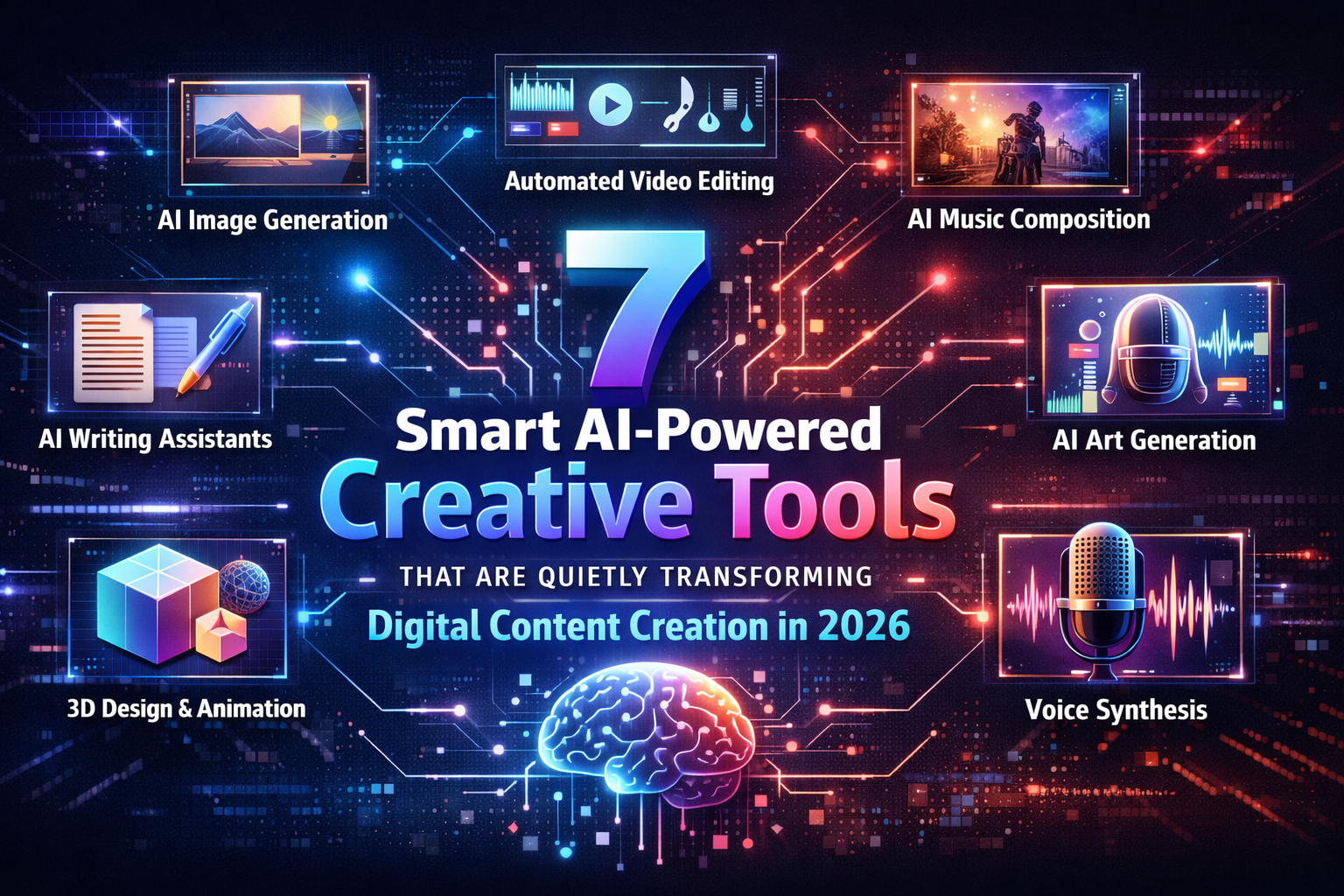
The way creators, marketers, and small businesses produce visual content has changed dramatically in recent years. What once required advanced software, expensive hardware, and technical skills can now be achieved in minutes using AI-powered creative platforms. From generating artwork to producing short videos, these tools are helping people work faster while maintaining professional quality.
In this article, we explore seven lesser-known yet highly effective AI creative tools that are making a real impact without the hype. These platforms focus on simplicity, accessibility, and practical results—making them ideal for content creators, bloggers, social media managers, and startups looking to scale without complexity.
1. All-in-One AI Creation Platform for Visuals and Videos
At the top of the list is a flexible AI-powered platform designed for users who want both visuals and video content without juggling multiple tools. Instead of overwhelming users with technical controls, it focuses on prompt-based creation, automation, and quick results.
One standout feature is its built-in ai art generator, which allows users to turn simple text descriptions into eye-catching visuals suitable for thumbnails, ads, blog images, and social posts. This makes it especially useful for creators who don’t have design experience but still want custom visuals.
In addition to image generation, the platform also offers a dedicated ai video creator experience through its mobile app, enabling users to produce short-form and promotional videos directly from scripts or ideas. This mobile-first approach is ideal for social media marketers and creators who work on the go.
What makes this tool appealing is its balance between automation and control. Users can generate content quickly, make light edits, and export polished results without spending hours learning the system. It’s particularly well-suited for bloggers, affiliate marketers, and small brands that need consistent content without a large team.
2. Lightweight Text-to-Image Tool for Bloggers and Niche Creators
This AI tool focuses purely on converting text prompts into simple yet clean images. It doesn’t aim to compete with complex design suites, which actually makes it appealing to bloggers and niche site owners who just need visuals that match their content.
The interface is minimal, allowing users to generate illustrations, abstract visuals, and blog header images in seconds. While it doesn’t offer advanced customization, its simplicity is its biggest strength.
It’s a good fit for:
- Blog featured images
- Pinterest graphics
- Simple social media visuals
Because it’s lightweight and fast, it works well as a supporting tool in a content workflow rather than a full creative suite.
3. AI Video Script-to-Clip Generator for Short Content
This tool is designed for creators who focus on short-form content such as reels, shorts, and story-style videos. Users input a short script or idea, and the platform automatically generates a video using stock visuals, transitions, and captions.
Rather than targeting enterprise users, this platform appeals to:
- Solo creators
- Affiliate marketers
- Faceless content channels
It’s not overloaded with features, which makes it easy to publish content consistently. While advanced users may want more control, beginners will appreciate how quickly they can go from idea to publishable video.
4. Simple AI Design Tool for Social Media Graphics
This platform focuses on AI-assisted design for social media. Users can generate post layouts, banners, and promotional images by selecting formats and entering short descriptions.
Unlike advanced design software, this tool emphasizes speed over precision. Templates are clean, modern, and optimized for platforms like Instagram, Facebook, and LinkedIn.
It’s ideal for:
- Daily social posts
- Quote graphics
- Promotional banners
For creators who don’t want to start from a blank canvas every time, this tool removes friction and saves hours each week.
5. AI-Based Thumbnail and Cover Image Generator
This niche tool specializes in thumbnails and cover images for videos, blogs, and podcasts. Users can generate multiple variations based on a single prompt, making it easier to test different visual styles.
While it doesn’t offer video or animation features, it performs well within its narrow focus. Content creators who rely heavily on click-through rates may find this tool especially useful.
Common use cases include:
- YouTube thumbnails
- Blog covers
- Podcast artwork
It’s a practical addition to a creator’s toolkit rather than a replacement for larger platforms.
6. Automated AI Presentation and Visual Story Tool
This platform converts written content into visual slides or story-style presentations. It’s commonly used for educational content, internal presentations, and explainer visuals.
Users input text, and the system automatically structures it into visual sections with icons, backgrounds, and layouts. While customization is limited, the output is clean and professional.
This tool works well for:
- Coaches and educators
- Webinar slides
- Internal training content
Its strength lies in organization rather than creativity, making it ideal for structured storytelling.
7. Beginner-Friendly AI Media Tool for Experimentation
Rounding out the list is a simple AI media tool aimed at beginners who want to experiment with AI creativity without committing to complex platforms.
It offers basic features like:
- Image generation
- Simple video clips
- Text-based visuals
While it may not replace advanced tools, it’s perfect for learning how AI-based creation works. Many users start here before moving on to more powerful platforms.
Final Thoughts
AI creative tools are no longer limited to designers or video professionals. Today, even solo creators and small businesses can produce high-quality visuals and videos with minimal effort. The tools listed above focus on ease of use, accessibility, and practical results, rather than overwhelming users with unnecessary features.
If your goal is to create content faster, stay consistent, and reduce production stress, experimenting with these platforms can significantly improve your workflow—without needing a large budget or technical background.